1. Virtual Reality (VR):
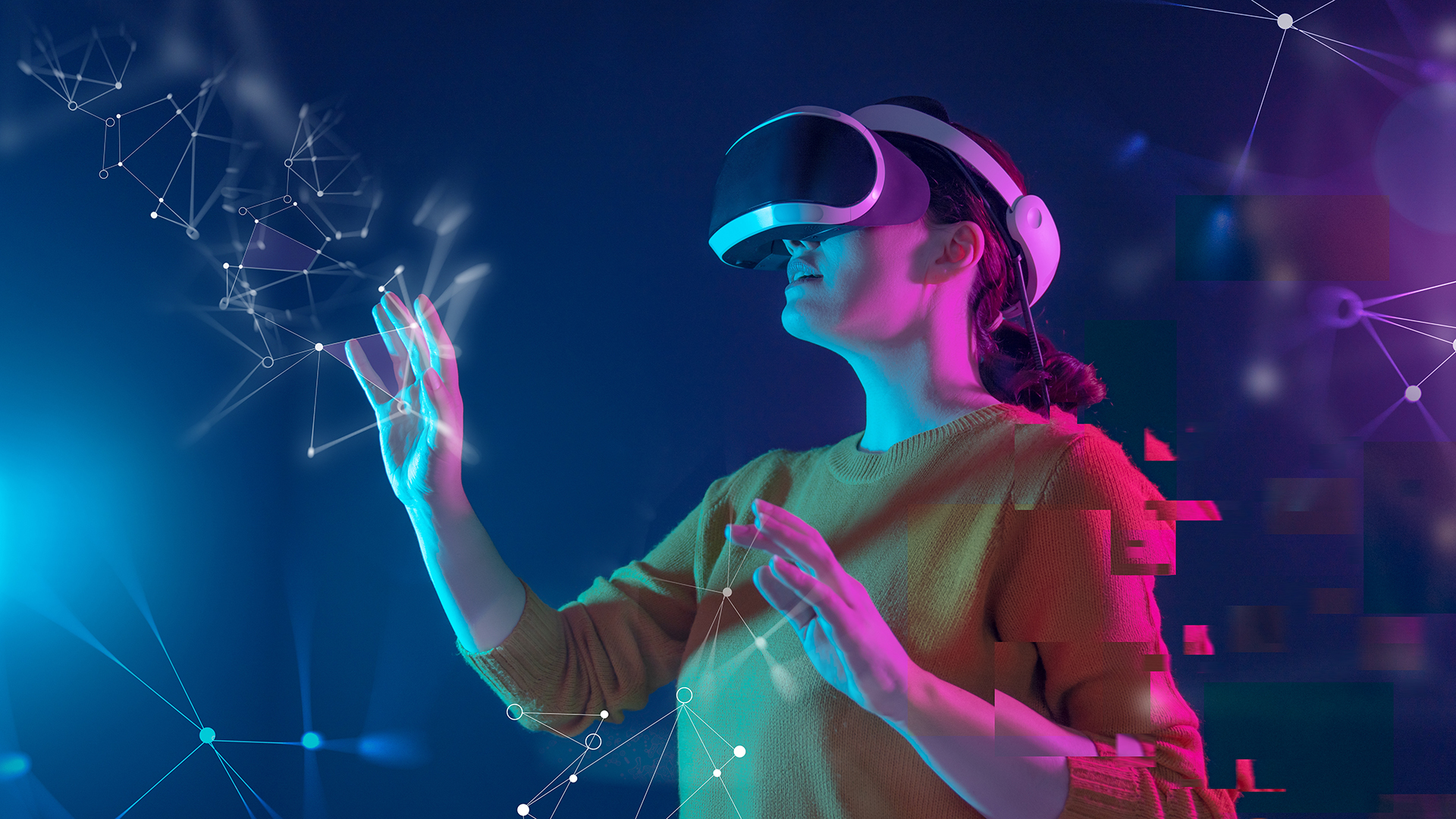
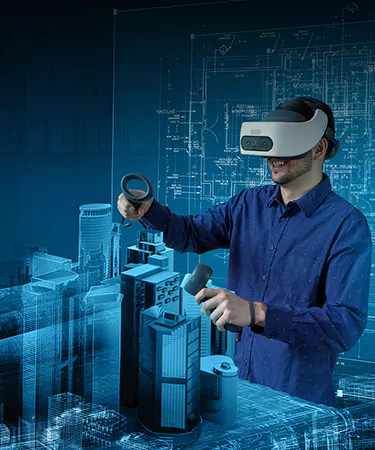
- Overview: VR creates a completely digital environment where users can interact with 3D worlds through VR headsets and motion controllers.
- Applications: Training simulations, gaming, virtual tours, and remote collaboration.
- Technology: High-resolution displays, motion tracking, haptic feedback systems.
2. Augmented Reality (AR):
- Overview: AR overlays digital information onto the real world, enhancing the physical environment with interactive elements.
- Applications: Navigation, retail, industrial maintenance, education.
- Technology: AR glasses, smartphone apps, and AR-enabled wearables.
3. Mixed Reality (MR):
- Overview: MR combines elements of both VR and AR, allowing users to interact with digital objects in the real world and vice versa.
- Applications: Design and prototyping, immersive learning, collaborative workspaces.
- Technology: MR headsets like Microsoft HoloLens, spatial mapping, and advanced sensors.